„Szkło ma swoje zasady” – w pracowni Giberto Venezia

Będąc w Wenecji, nie ograniczałyśmy się jedynie do odwiedzenia wystawy Homo Faber. Zainspirowane przepięknym wydaniem magazynu ERG x Studio di Parma, zaczęłyśmy przyglądać się miejscom, ludziom i historiom, które opowiadają o włoskim rzemiośle. Natknęłyśmy się na studio Giberto z Wenecji, których historię chciałyśmy poznać.
Za marką GIBERTO stoi Giberto Arrivabene Valenti Gonzaga, związany od zawsze z Wenecją oraz jego żona Bianca di Savoia-Aosta, pochodząca z kolei z Florencji. On jest hrabią z mantuańskiej szlachty z weneckim pałacem w spadku, a ona jest księżniczką z rodu dawnych królów Włoch – Sabaudów.
Przez lata domem rodziny był Palazzo Papadopoli nad Canal Grande, który dziś znamy jako hotel Aman Venice. To Bianca prowadziła jego przemianę i dbała o to, żeby pałac nie stracił swoich proporcji, zdobień ani atmosfery, która narastała w nim przez pokolenia.
,,Palazzo Papadopoli nie był po prostu budynkiem do odrestaurowania. Był domem, w którym żyła nasza rodzina, miejscem pełnym wspomnień”.
Giberto od wielu lat projektuje szkło i współpracuje z maestri vetrai, mistrzami szklarstwa z Murano. Ona wniosła do tej historii Florencję, on Wenecję. Dwa miasta, dwie różne perspektywy i wspólna wrażliwość na piękno, historię i rzemiosło.
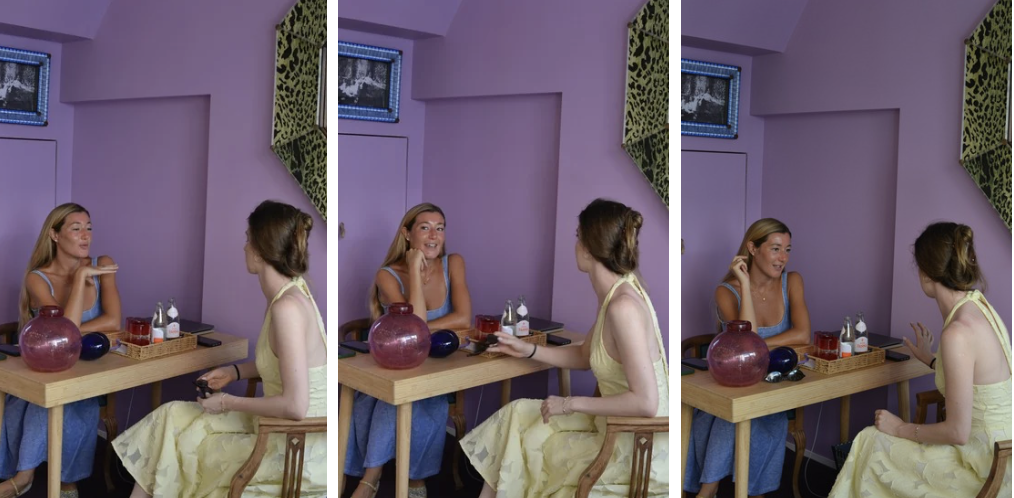
Florencja i Wenecja
„Florencja i Wenecja mają bardzo różne tożsamości, ale łączy je coś ważnego: w obu miastach piękno i historia są częścią codziennego życia” – mówi nam Bianca.
Co może zaskoczyć przy przeprowadzce z renesansowej Florencji do miasta na wodzie? Przede wszystkim zupełnie inny sposób przeżywania czasu i przestrzeni. „Po Wenecji poruszamy się pieszo albo łodzią, uczymy się nowych tras i niemal niepostrzeżenie budujemy z miastem bardzo bliską relację”. Bianca przyznaje, że dopiero z czasem odkryła jego bardziej autentyczną, kameralną stronę: codzienne przyzwyczajenia, relacje z ludźmi i drobne rytuały, które łatwo przeoczyć podczas kilkudniowej wizyty.
Rodzina Giberta jest związana z Wenecją od pokoleń, a jego przodkowie pamiętali miasto, które żyło przede wszystkim dla swoich mieszkańców. „Chciałbym ich zapytać, co myślą o dzisiejszej Wenecji. Dawniej relacja z laguną była dużo bardziej naturalna. Na Zattere były prawdziwe kąpieliska i można było pływać, a dziś wydaje się to wręcz nie do pomyślenia”.
Dziedzictwo, które żyje w teraźniejszości
Bianca i Giberto poznali się na stoku narciarskim, przedstawieni sobie przez wspólnego przyjaciela. Daleko od codzienności, bez żadnej oficjalnej oprawy, od razu poczuli się ze sobą swobodnie. Choć Bianca pochodzi z dawnego rodu królewskiego, nie traktuje swojego pochodzenia z nostalgią. „Dziedzictwo ma sens tylko wtedy, gdy potrafimy odczytać je na nowo w teraźniejszości i przekazać dalej” – mówi. Ważniejsze od tytułów są dla niej wartości: poczucie obowiązku, szacunek dla ludzi, troska o wspólnotę i świadomość, że każdy przywilej niesie ze sobą odpowiedzialność.
To samo starają się przekazać swoim pięciorgu dzieciom: ciekawość świata, samodzielność myślenia, szacunek dla pracy i dla danego słowa. Chcieliby, żeby dzieci potrafiły rozpoznać prawdziwą jakość i piękno nie tylko w przedmiotach, ale też w gestach, relacjach i w tym, jak wybiera się życie. „Pielęgnować tradycję nie znaczy powtarzać jej bez zmian. Znaczy zrozumieć jej wartość i znaleźć własny, współczesny sposób, żeby trwała dalej”. Trudno o lepszy opis tego, czym jest dla nich rzemiosło.
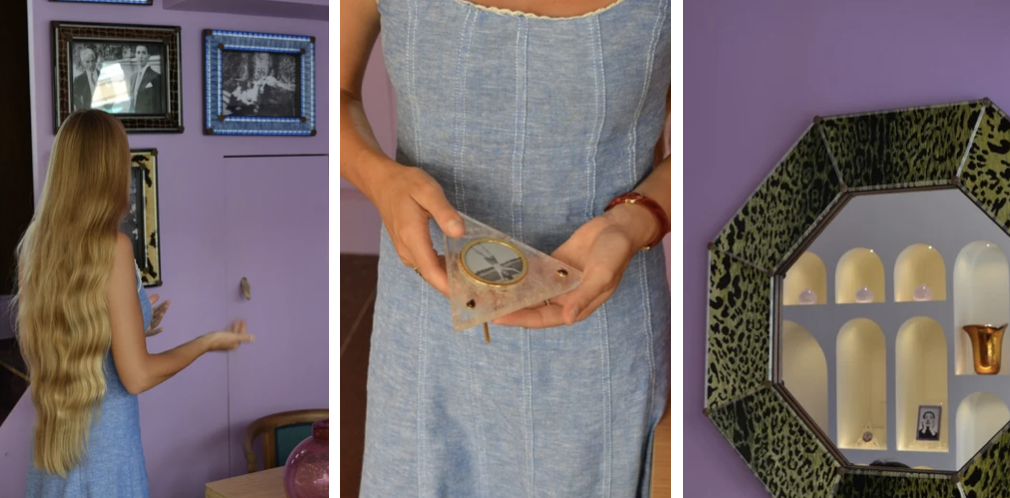
Szkic z pałacu, płomień z Murano
Oboje dorastali wśród pięknych wnętrz i architektury, ale ich prawdziwa miłość do rzemiosła przyszła nieco później, dzięki bezpośrednim spotkaniom z twórcami.
„Kiedy widzisz, ile cierpliwości, pokoleniowego doświadczenia i mądrości rąk wymaga zrobienie choćby jednego przedmiotu, całkowicie zmienia się sposób, w jaki na niego patrzysz”. Za dobrze wykonaną rzeczą nie stoi po prostu technika, ale żywa kultura przekazywana z rąk do rąk.
Przygoda Giberto ze szkłem zaczęła się naturalnie (ponad dwadzieścia lat temu). Przyjaciele znając jego zamiłowanie do rysunku, zaczęli prosić go o „coś wyjątkowego”. Zafascynowało go przekształcenia pomysłu naszkicowanego na papierze w trójwymiarową formę – świetlistą i pełną życia, no i padło na szkło,
„Szkło to niezwykły materiał. Może wydawać się lekkie i kruche, ale jego obróbka wymaga ogromnej wiedzy technicznej, siły i precyzji. Od tych pierwszych eksperymentów rozpoczęła się coraz bardziej świadoma droga, która z czasem stała się ważną częścią mojej pracy.”
Tak (dość przypadkowo) narodziła się marka Giberto Venezia. Giberto od lat współpracuje z niezależnymi mistrzami z Murano (maestri vetrai) – każdy warsztat na wyspie ma swój styl i swoje tajemnice i widać to we różnych projektach marki. Te szklane arcydzieła powstają w rozmowie: Giberto przynosi rysunek i wizję, a mistrz wie, jak ta rozgrzana masa zachowa się w ogniu, ruchu i świetle. Ta praca to czyste przeciwieństwo pośpiechu.
„Zaczynam zwykle od rysunku i dość precyzyjnego wyobrażenia formy, proporcji i kolorów, ale szkło ma swoje zasady i zawsze zachowuje w sobie odrobinę nieprzewidywalności. Czasem to mistrz podsuwa rozwiązanie techniczne, a czasem sam materiał prowadzi nas w zupełnie innym kierunku”.
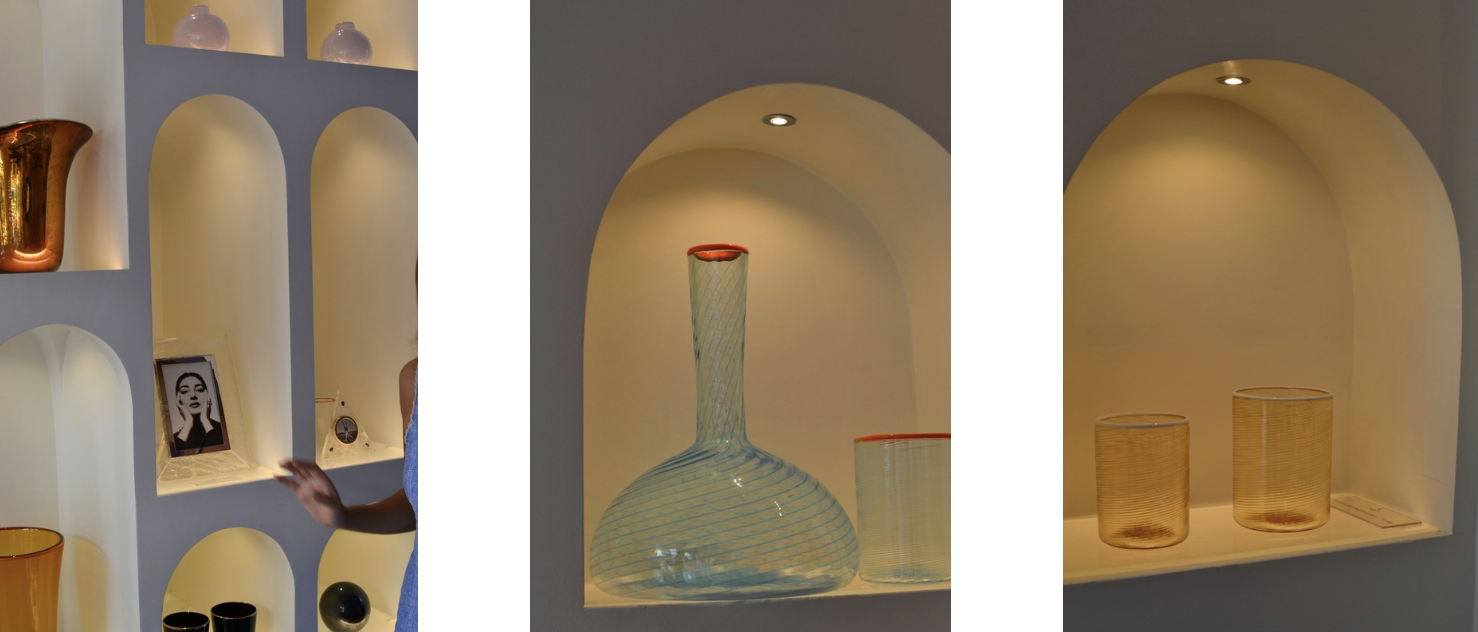
Szkło wymaga godzin stania przed rozpalonym do czerwoności piecem i nie da się przyśpieszyć tego procesu. Bo kiedy świat domaga się ilości, szybkości i powtarzalności, tutaj powstają niewielkie serie, i powstają zgodnie z rytmem pracy weneckich rzemieślników, a drobne niedoskonałości są jedynym śladem dotyku ludzkich rąk.
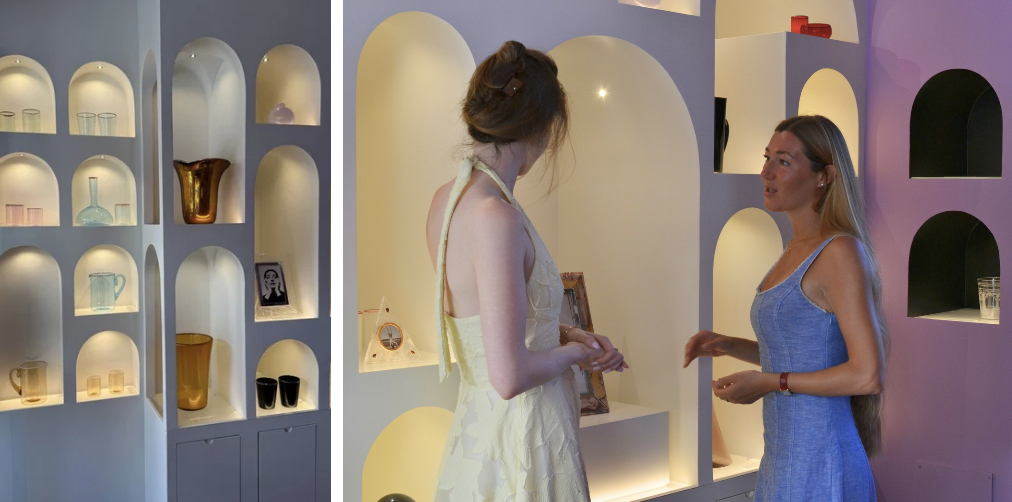
W butiku miałyśmy okazję zobaczyć piękne wazony Coralla, stworzone w (arcytrudnej) technice incalmo. Polega ina na łączeniu na gorąco różnych sekcji szkła, w różnych kolorach – tak, aby idealnie do siebie pasowały. Jest to projekt, szczególnie dobrze wspominany przez Giberto i jak sam mówi: ,,Coralla jest prawdziwym przykładem spotkania mojego projektu z wiedzą i doświadczeniem mistrza szklarstwa”. Co ciekawe w 2022 roku wazon został zaprezentowany w Palazzo Litta, w ramach wystawy podczas mediolańskiego FuoriSalone (chyba to tam widziałyśmy go po raz pierwszy, zupełnie nieświadome).
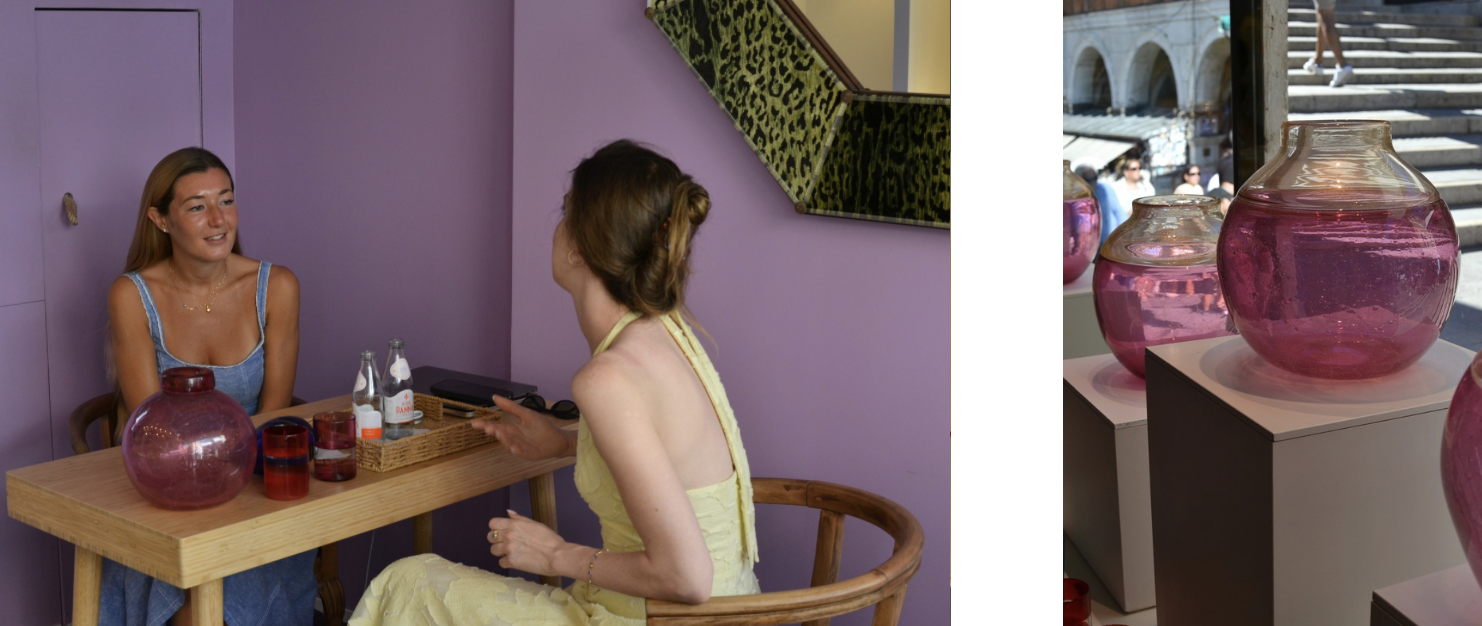
Cichy manifest przy Ponte Rialto
Wenecję mierzy się dziś z dość trudną rzeczywistością. Rosną koszty, mieszkańcy opuszczają miasto, a lokalne pracownie zamykają się jedna po drugiej… z powodu braku następców, dostępnych przestrzeni czy pod naporem masowej turystyki.
Dlatego działalność takich miejsc jak Giberto Venezia wydaje nam się szczególnie ważna, bo to nie tylko marka, która tworzy piękne przedmioty. To marka, która współpracuje z lokalnymi mistrzami, pielęgnuje ich umiejętności i szuka dla tradycyjnych technik miejsca we współczesnym świecie.
Ten mały showroom na Ponte Rialto to ich sposób na oddanie miastu cząstki jego własnej tożsamości i obronę kruchej sztuki, której nie zastąpi żadna fabryka. Bo tradycja, dokładnie tak, jak mówi Bianca, ma sens tylko wtedy, gdy żyje tu i teraz, w nowych projektach, w pracy kolejnych pokoleń rzemieślników i w przedmiotach, które wciąż mają swoje miejsce w naszym codziennym otoczeniu.
Kiedy wychodziłyśmy ze showroomu, za szybą mignęła nam Bianca. Stała na Ponte di Rialto i spokojnie z kimś rozmawiała, jakby to było jej podwórko. Pomyślałyśmy wtedy, że o tym właśnie mówili nam z Gibertem: rzemieślnicy i ludzie, którzy tu naprawdę mieszkają, sprawiają, że Wenecja pozostaje „żywym miastem, a nie tylko niezwykłą scenografią”.
Kasia & Justyna, Slow Italia
[ENG]
Glass Has Its Own Rules – Inside the World of Giberto Venezia
While in Venice, we did more than just visit the Homo Faber exhibition. Inspired by a beautiful issue of ERG x Studio di Parma magazine, we began looking more closely at the places, people and stories that tell us about Italian craftsmanship. That was how we came across Giberto Venezia, a story we wanted to discover for ourselves.
Behind the GIBERTO brand are Giberto Arrivabene Valenti Gonzaga, a man deeply connected to Venice, and his wife, Bianca di Savoia-Aosta, who comes from Florence. He is a count from a noble family with roots in Mantua and a family palazzo in Venice. She is a princess from the House of Savoy, the former royal family of Italy.
For many years, Palazzo Papadopoli, overlooking the Grand Canal, was the family home. Today, we know it as Aman Venice. Bianca personally led its transformation, making sure that the palazzo retained its original proportions, decorations and the atmosphere that had grown within its walls over generations.
“Palazzo Papadopoli was not simply a building to be restored. It was our family home, a place full of memories.”
For many years, Giberto has been designing glass objects and working with maestri vetrai – the master glassmakers of Murano. She brought Florence into this story, he brought Venice. Two cities, two different perspectives, and a shared sensitivity to beauty, history and craftsmanship.
Florence and Venice
“Florence and Venice have very different identities, but they share something important: in both cities, beauty and history are part of everyday life,” Bianca tells us.
What can come as a surprise when moving from Renaissance Florence to a city built on water? Above all, a completely different experience of time and space. “In Venice, we move around on foot or by boat. We learn new routes and, almost without noticing, build a very close relationship with the city.”
Bianca admits that it took time to discover a more authentic and intimate side of Venice: its everyday habits, personal relationships and small rituals that are easy to miss during a visit of just a few days.
Giberto’s family has been connected to Venice for generations, and his ancestors knew a city that lived first and foremost for its residents. “I would like to ask them what they think of Venice today. In the past, the relationship with the lagoon was much more natural. At Zattere, there were actual bathing areas where people could swim. Today, that seems almost unthinkable.”
A Heritage That Lives in the Present
Bianca and Giberto met on a ski slope, introduced by a mutual friend. Away from everyday life and without any formal setting, they immediately felt at ease with each other.
Although Bianca comes from a former royal family, she does not look at her heritage with nostalgia. “Heritage only has meaning when we are able to reinterpret it in the present and pass it on,” she says. For her, values matter far more than titles: a sense of duty, respect for others, care for the community and an awareness that every privilege comes with responsibility.
These are the same values they try to pass on to their five children: curiosity about the world, independent thinking, respect for work and for one’s word. They want their children to recognise genuine quality and beauty not only in objects, but also in gestures, relationships and in the way we choose to live. “To preserve a tradition does not mean repeating it without change. It means understanding its value and finding your own, contemporary way of keeping it alive.” It is hard to find a better description of what craftsmanship means to them.
A Sketch from the Palazzo, a Flame from Murano
Both grew up surrounded by beautiful interiors and architecture, but their true love of craftsmanship came a little later, through direct encounters with the people who create things by hand.
“When you see how much patience, experience passed down through generations and knowledge held in the hands are needed to make even a single object, the way you look at it changes completely.”
Behind a beautifully made object there is more than just technique. There is a living culture, passed from one pair of hands to another.
Giberto’s adventure with glass began quite naturally, more than twenty years ago. Friends, knowing his love of drawing, started asking him to create “something special”. He became fascinated by the idea of turning a sketch on paper into a three-dimensional form – luminous and full of life. And so, he chose glass.
“Glass is an extraordinary material. It may seem light and fragile, but working with it requires great technical knowledge, strength and precision. Those first experiments marked the beginning of a journey that gradually became a much more conscious pursuit and, over time, an important part of my work.”
This is how the GIBERTO brand came into being, quite unexpectedly. For years, Giberto has worked with independent master glassmakers from Murano (maestri vetrai). Each workshop on the island has its own style and secrets, and this can be seen in the different pieces created for the brand.
These glass masterpieces are born through dialogue. Giberto brings a drawing and a vision, while the master knows how the molten glass will behave in the heat, through movement and in the light. This way of working is the very opposite of rushing.
“I usually start with a drawing and a fairly precise idea of the shape, proportions and colours. But glass has its own rules and always keeps a little unpredictability. Sometimes the master suggests a technical solution, and sometimes the material itself takes us in a completely different direction.”
Working with glass means spending hours standing in front of a red-hot furnace. There is no way to speed up the process. While the world demands quantity, speed and consistency, here objects are made in small batches, following the natural rhythm of Venetian craftsmanship. Their small imperfections are the only traces left by the human hands that made them.
At the boutique, we had the chance to see the beautiful Coralla vases, made using the particularly demanding incalmotechnique. It involves joining different sections of hot glass, often in different colours, so that their edges fit together perfectly.
This is a project Giberto remembers with particular fondness. As he explains: “Coralla is a true example of the meeting between my design and the knowledge and experience of a master glassmaker.”
Interestingly, in 2022 the vase was presented at Palazzo Litta as part of an exhibition during Milan’s Fuorisalone. We may have seen it there for the first time, without even realising it.
A Quiet Statement on Ponte di Rialto
Venice is facing a rather difficult reality today. Costs are rising, residents are leaving the city, and local workshops are closing one after another – due to a lack of successors, affordable working spaces and the growing pressure of mass tourism.
This is why we find the work of places such as Giberto Venezia particularly important. It is not simply a brand creating beautiful objects. It is a brand that works with local masters, helps preserve their skills and finds a place for traditional techniques in the contemporary world.
Their small showroom on Ponte di Rialto is a way of giving the city back a piece of its own identity and protecting a delicate art that no factory could ever replace. Because tradition, just as Bianca says, only makes sense when it is alive here and now: in new designs, in the work of the next generations of craftspeople and in objects that still have a place in our everyday lives.
As we were leaving the showroom, we caught a glimpse of Bianca through the window. She was standing on Ponte di Rialto, calmly talking to someone, as if the bridge were simply her own neighbourhood. We thought then that this was exactly what she and Giberto had been telling us: it is the craftspeople and the people who truly live here who make Venice a “living city, rather than just an extraordinary backdrop”.
Kasia & Justyna, Slow Italia