Nie(winne) wyjazdy po Włoszech ze Slow Italia
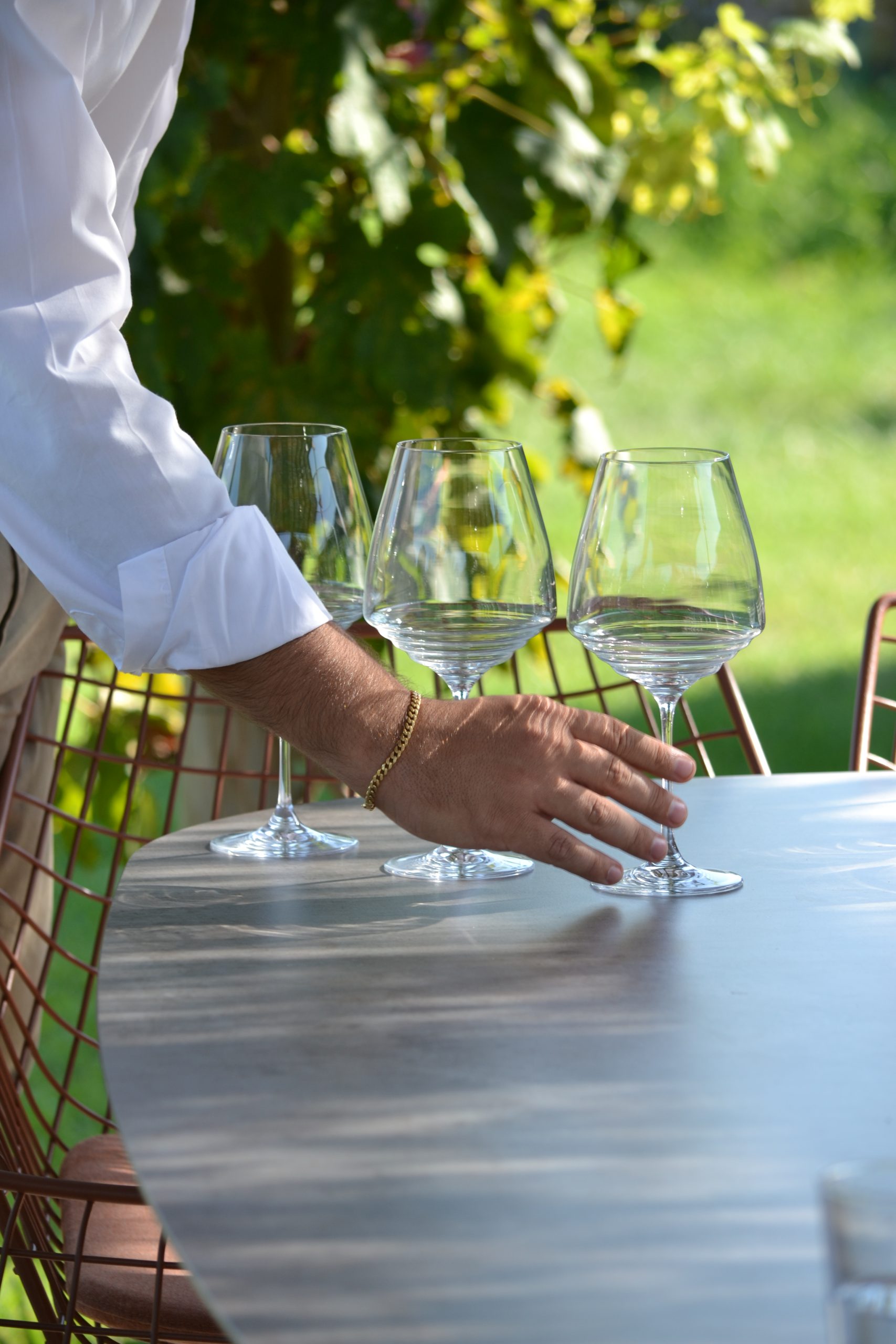
Moje ulubione wino? Białe z Friuli, z gleby, którą miejscowi nazywają ponca. Mineralne, lekko słone, z nerwową świeżością, jakiej nie znalazłam nigdzie indziej.
Jeszcze dwa lata temu wino dzieliło się dla mnie na takie, które mi smakuje, i takie, które nie. Karta win w restauracji była czarną skrzynką, a opowieści o szczepach brzmiały fascynująco, ale tajemniczo. Z czasem zaczęłam po prostu chcieć wiedzieć więcej: dlaczego to wino smakuje właśnie tak, co ma z tym wspólnego miejsce, w którym rośnie winorośl, i dlaczego ta sama odmiana w jednej części Włoch daje zupełnie inne wino niż kilka kilometrów dalej?
Wino jest obecne na Półwyspie od starożytności i na dobre wrosło we włoską kulturę, w celebrowanie chwili i zwykłej codzienności. Pojawia się przy rodzinnej kolacji, niedzielnym obiedzie i spotkaniu z przyjaciółmi. A skoro tak mocno splata się z włoskim życiem, to musi kryć w sobie mnóstwo opowieści. Chciałam je poznać.
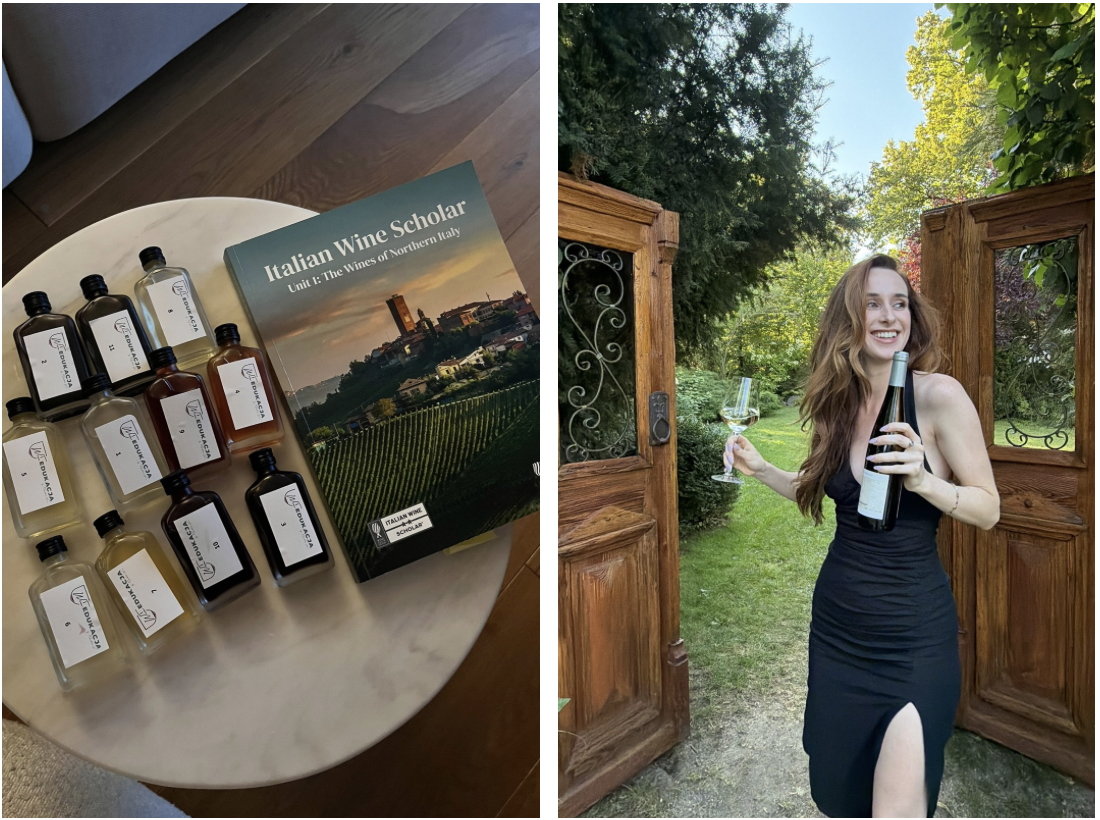
Włochy, region po regionie, czyli Italian Wine Scholar
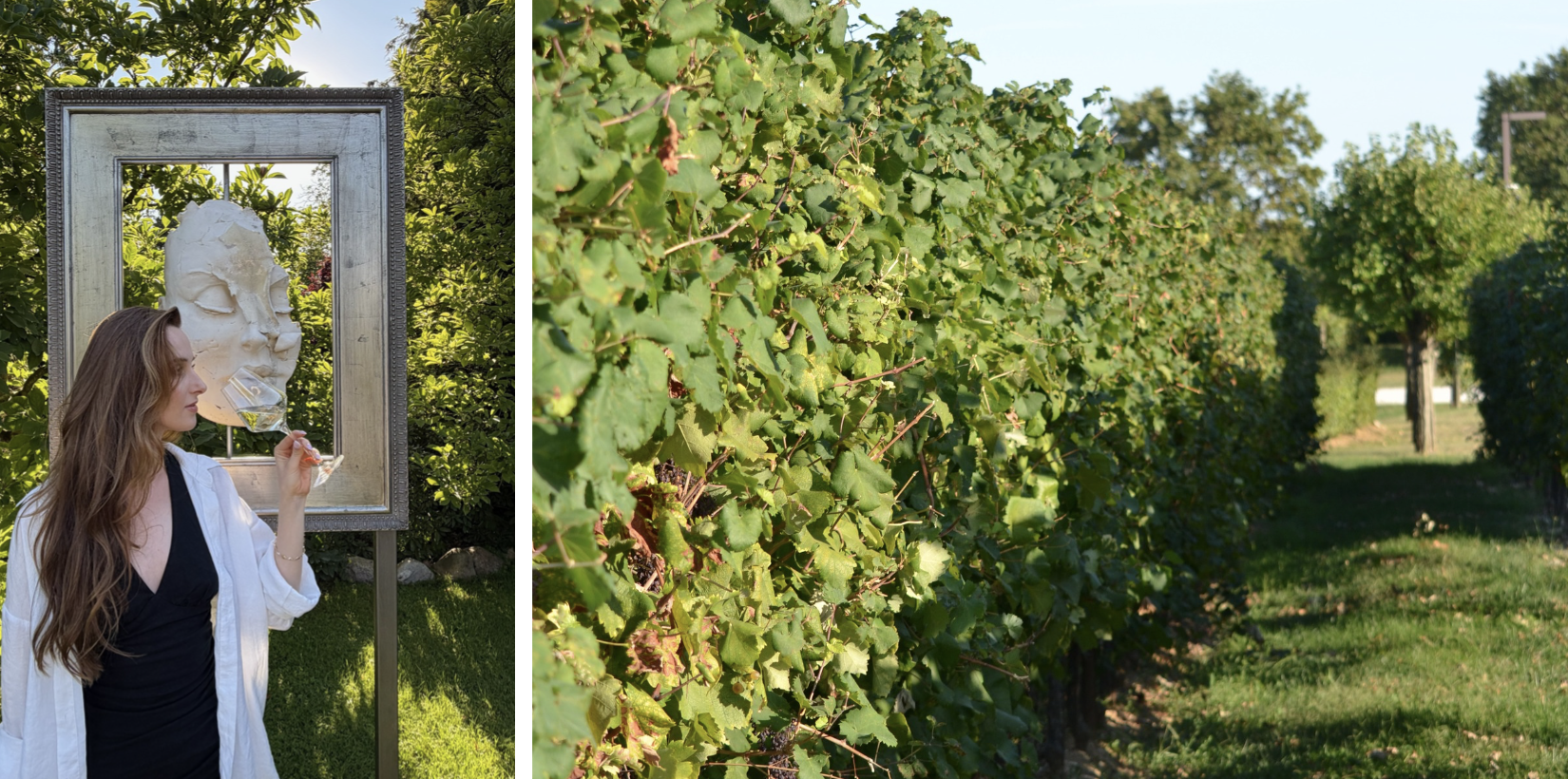
We włoskim krajowym rejestrze figuruje dziś ponad 600 odmian winorośli i właśnie wokół nich kręci się ten kurs. To setki godzin nauki, żeby naprawdę zrozumieć, co dzieje się w każdym regionie Włoch, od podnóża Alp aż po Sycylię. Mało który kraj zapisał swoją geografię w butelce tak precyzyjnie jak Italia. Nebbiolo z Piemontu pachnie różami, a po chwili odsłania ziemiste nuty. Toskańskie Sangiovese jest wiśniowe, z wyrazistą, żywą kwasowością. A Prosecco z Veneto? Chyba nikomu nie trzeba przedstawiać jego jabłkowo-gruszkowych bollicine, czyli bąbelków.
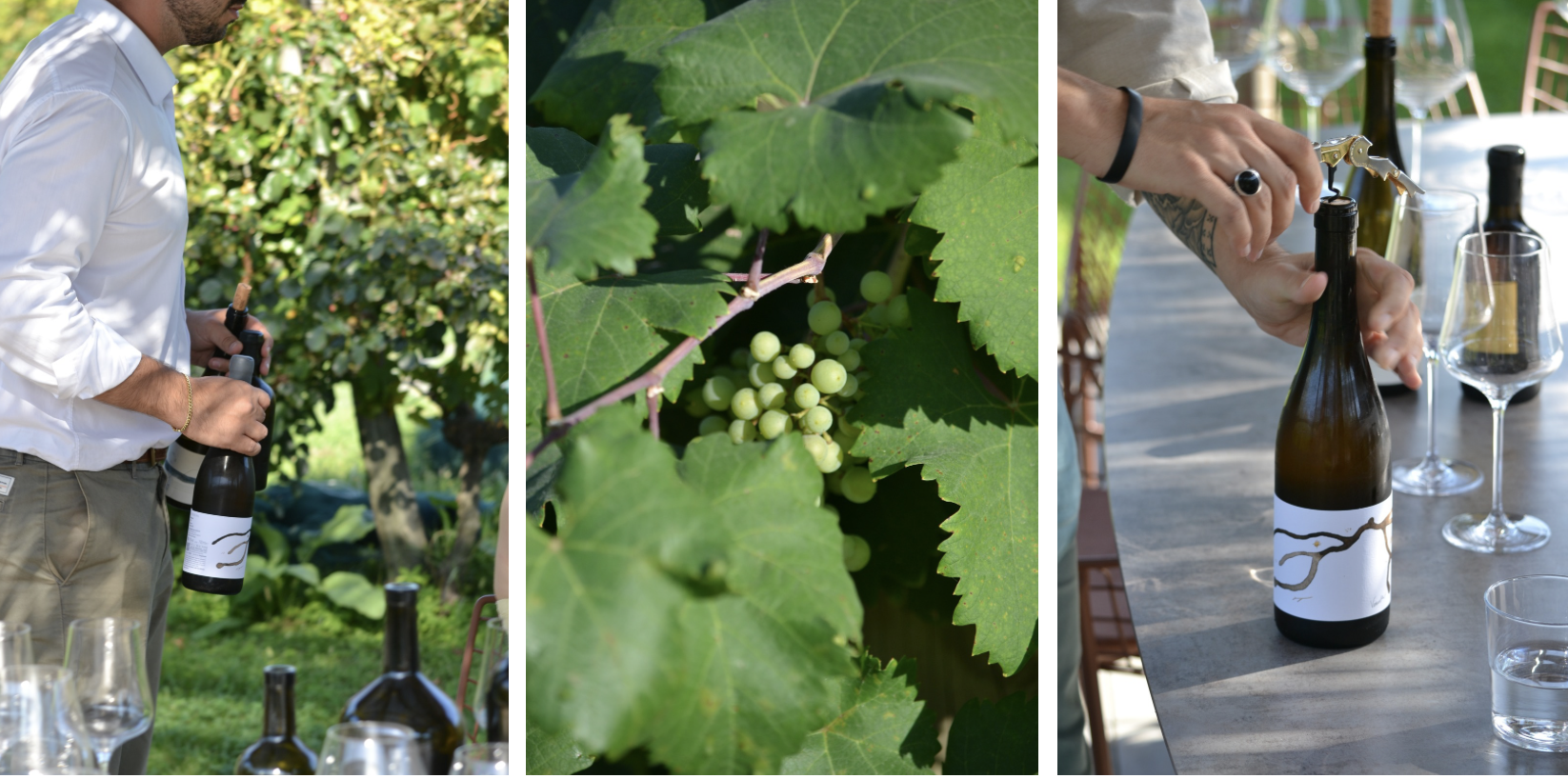
Jeszcze bardziej fascynuje mnie różnorodność w obrębie jednego regionu. Weźmy okolice Werony: na wzgórzach Soave rośnie Garganega, z której powstają świeże białe wina o nutach cytrusów i białych kwiatów, a po drugiej stronie miasta, w Valpolicelli, z Corviny robi się czerwone wina pachnące kwaśną wiśnią. Nawet wina z tej samej odmiany potrafią się od siebie różnić, bo znaczenie ma gleba, wysokość, nasłonecznienie i ręka winiarza. Wiecie co – to trochę jak z dialektami: czasem wystarczy przejechać kilka kilometrów, żeby usłyszeć różnicę.
A po co to wszystko?
Bo napędza nas ciekawość i chęć dopracowania każdego szczegółu wyjazdów, doświadczeń i oczywiście projekt ,,A Tavola – stół, który łączy”. Od teraz, gdy planujemy kolację dla architektów, designerów, partnerów czy klientów, butelka na stole nie jest przypadkowa. To kolejny detal, który potrafimy dopasować do spotkania, a gościom opowiedzieć coś więcej. W każdym kieliszku jest historia regionu, gleby i ludzi, którzy to wino zrobili, a my uwielbiamy ją odkrywać i przekazywać dalej.
Justyna, Slow Italia
[ENG]
Sip, Slow, Savor: The Art of Traveling with Slow Italia
My all-time favorite wine? A white from Friuli, born on the unique soil locals call ponca. Mineral, subtly salty, with a vibrant, nervous freshness you simply won’t find anywhere else.
Just two years ago, wine was pretty simple to me: it either tasted good, or it didn’t. Looking at a restaurant’s wine list felt like peering into a black box, and all those stories about grape varieties sounded fascinating, yet completely elusive. Over time, I simply wanted to know more: Why does this particular wine taste the way it does? What role does the land play, and why can the very same grape variety produce a radically different wine just a few miles down the road?
Wine has been part of life on the Apennine Peninsula since antiquity, woven deeply into Italian culture and the art of celebrating everyday moments. It is there at Sunday family lunches, evening gatherings, and casual catch-ups with friends. And because it is so intimately entwined with everyday Italian living, it carries countless stories within. I just had to discover them.
Italy Region by Region: Becoming an Italian wine Scholar
Today, Italy’s national registry lists over 600 native grape varieties, and that is exactly what the Italian Wine Scholar program revolves around. It took hundreds of hours of study to truly grasp what happens across every single region of Italy, from the foothills of the Alps all the way down to Sicily. Few countries have encoded their geography into a bottle quite as precisely as Italy.
Nebbiolo from Piedmont greets you with aromas of roses before revealing deep, earthy notes. Tuscan Sangiovese bursts with sour cherries and a lively, mouthwatering acidity. And Prosecco from Veneto? Its crisp apple and pear bollicine (bubbles) hardly need an introduction.
What fascinates me even more is the sheer diversity within a single region. Take the hills around Verona: in Soave, the Garganega grape yields fresh white wines laced with citrus and white blossom notes. Just on the other side of town, in Valpolicella, Corvina produces red wines vibrant with tart red cherries. Even wines made from the exact same grape can taste completely different depending on the soil, altitude, sun exposure, and the winemaker’s touch. You know what? It’s a lot like Italian dialects, sometimes you only need to drive a few miles to hear a whole new language.
Why Does All of This Matter?
Because we are driven by curiosity and an obsession with every little detail of our journeys, bespoke experiences, and our signature project, “A Tavola – The Table That Connects.”
From now on, whenever we curate a dinner for architects, designers, partners, or corporate clients, the bottle on the table is never left to chance. It is another thoughtful detail tailored to the occasion—and an opportunity to share something truly meaningful with our guests. In every glass, there is a story of a region, its soil, and the people who crafted it.
And discovering those stories, and passing them on to you, is what we love most.
Justyna, Slow Italia